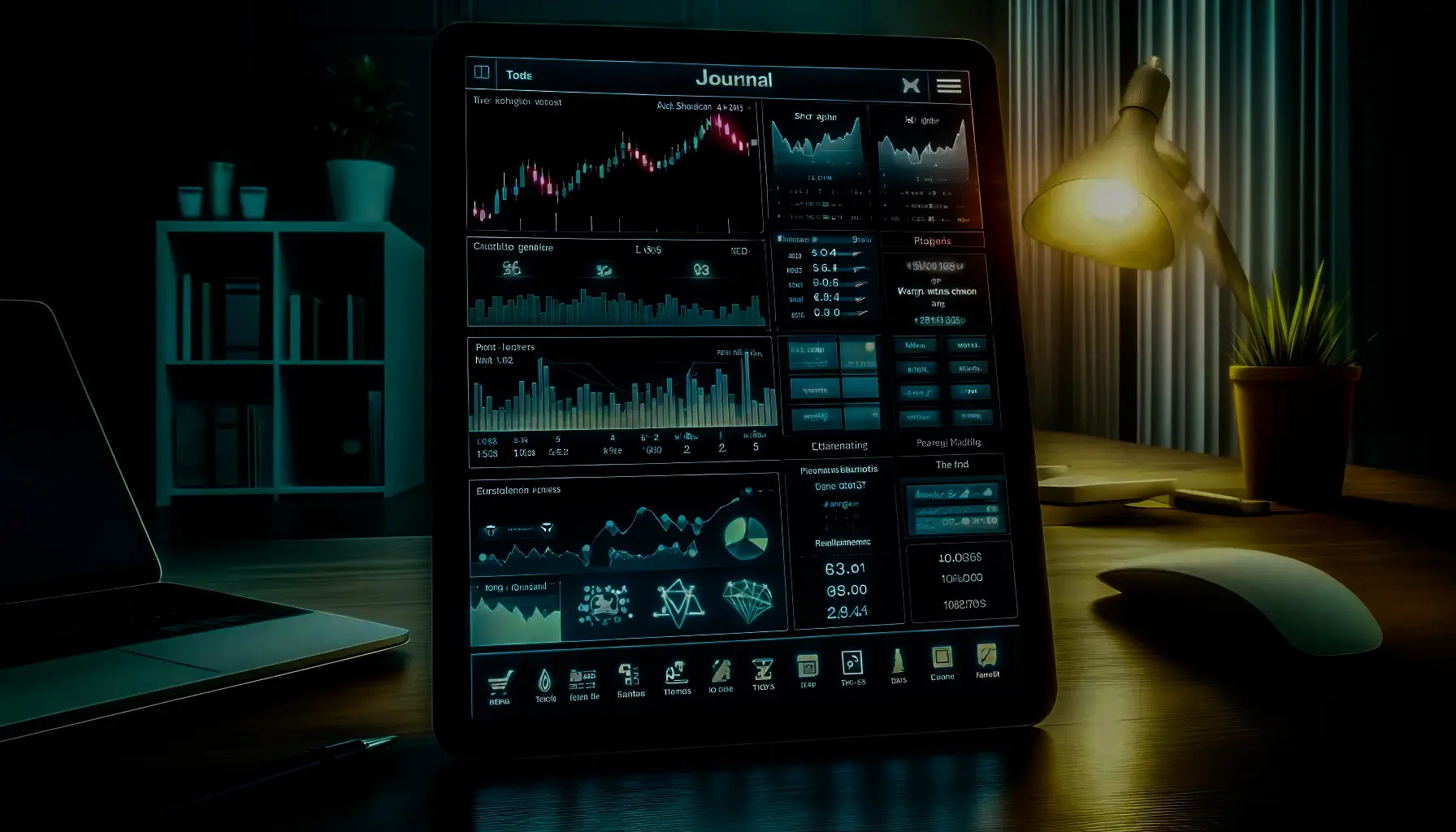
For traders, whether novice or experienced, Trade Journaling is crucial for several reasons. First and foremost, it helps to identify patterns in both successful and unsuccessful trades. By tracking what worked and what didn’t, traders can refine their strategies, develop more consistent outcomes, and avoid repeating mistakes. Furthermore, journaling offers emotional clarity. It allows traders to look back and assess their mental state during a trade, helping to pinpoint psychological factors that might have influenced decision-making, such as fear, greed, or overconfidence.
Having the right tools for Trade Journaling makes all the difference. The best tools enable a seamless journaling process, whether digital or manual, allowing traders to easily record, analyze, and review their trades. Digital tools often provide advanced features such as automated data collection, customizable reports, and integrated analysis, making it easier to gain insights and track progress over time. On the other hand, manual journaling offers a more personal touch, allowing traders to reflect deeply on their trades. Choosing the right tool ultimately enhances the journaling experience, ensuring it’s effective, efficient, and aligned with the trader’s goals.
The Benefits of Trade Journaling

Trade Journaling offers a variety of significant benefits for traders, making it an indispensable part of their trading routine. Below are some of the key advantages:
Improve Trading Strategies and Decision-Making By regularly documenting and reviewing each trade, traders can analyze what worked well and what didn’t. This process helps them refine their trading strategies and make more informed decisions in the future. Over time, patterns emerge that reveal which strategies lead to consistent profits and which need to be adjusted. Journaling allows traders to learn from both their successes and their mistakes, creating a more structured and disciplined approach to trading.
Track Performance and Identify Patterns One of the main benefits of Trade Journaling is its ability to track performance over time. By logging details such as the trade setup, entry/exit points, market conditions, and results, traders can easily spot recurring patterns in their performance. Identifying these patterns is crucial for optimizing trading strategies, as it helps traders understand which market conditions lead to successful trades and which ones result in losses. This data also provides insights into how the trader’s skill level evolves.
Address Emotional Discipline and Learning from Mistakes Trading is often a mentally and emotionally challenging activity. Emotional impulses like fear, greed, or impatience can cloud judgment and lead to poor decision-making. Trade Journaling helps address this issue by offering traders a chance to reflect on their emotional state during a trade. By reviewing the journal, traders can see if their emotions influenced their trades and learn how to maintain better emotional discipline. This process promotes the growth of a more balanced and patient trading mindset. Additionally, journaling allows traders to reflect on their mistakes, learn from them, and prevent similar errors in the future.
What to Look for in a Trade Journal Tool
When selecting a Trade Journal Tool, it’s important to consider a variety of features to ensure it meets your specific needs as a trader. The right tool can streamline the journaling process, enhance your analysis, and ultimately contribute to more informed decision-making. Here are the key factors to look for:

Ease of Use and User-Friendly Interfaces
A Trade Journal Tool should be intuitive and easy to navigate. The simpler it is to input and access data, the more likely you are to use it consistently. A user-friendly interface will allow you to focus on the analysis of your trades, rather than getting bogged down by complicated features. Whether you are a beginner or an experienced trader, ease of use should be a top priority.Customization Options (for Different Trading Styles)
Every trader has their style, whether it’s day trading, swing trading, or long-term investing. A good trade journal should offer customization options to cater to different types of trading. This might include customizable fields for logging specific data, the ability to track various asset classes or options to adapt the journal to your unique strategy. The more flexibility the tool offers, the better it will align with your personal trading habits.Integration with Trading Platforms and Data Sources
One of the most valuable features of a Trade Journal Tool is its ability to integrate with trading platforms and data sources. This means your journal can automatically pull in data such as trade execution details, entry/exit points, and asset prices. Integration reduces the need for manual entry and ensures that your data is accurate and up-to-date. Many tools also allow you to sync with popular trading platforms like MetaTrader or TradingView, making it easier to track all your trades in one place.Reporting and Analysis Features (Charts, Stats, etc.)
An effective trade journal should include powerful reporting and analysis features that allow you to easily track your performance and make data-driven decisions. Look for tools that offer features like detailed trade statistics (e.g., win/loss ratio, average profit/loss), charts to visualize trends, and customizable reports that highlight important insights from your trades. These features are critical for spotting patterns, identifying areas of improvement, and tracking your progress toward your trading goals.Security and Data Backup Options
Your trading data is valuable, and losing it due to a technical issue or software failure can be costly. It’s important to choose a Trade Journal Tool that offers robust security and data backup options. Look for tools that offer encrypted data storage and automatic backups to prevent data loss. Some tools also offer cloud-based storage, which makes your trade journal accessible from multiple devices while keeping it safe from local hardware failures.
Take control of your trading journey with AryaMerx’s Master the Markets services! Sign up now and start mastering the markets with expert strategies and tools tailored just for you!
Top Digital Tools for Trade Journaling
There are several digital tools available that cater to various aspects of Trade Journaling, each offering unique features to enhance your trading experience.

Below are some of the top digital tools that can help you track, analyze, and improve your trades:
Journalio
Journalio is a specialized platform for creating trade journals from the Aryamerx website. It’s perfect for professional traders, multi-platform traders, technical analysts, and risk-conscious investors. The tool is designed to simplify the process of logging trades and analyzing performance, allowing traders to gain valuable insights into their strategies. Journalio integrates well with various platforms, offering customizable features that cater to advanced trading needs.Evernote
Evernote is a versatile note-taking app that can be used as a Trade Journal. While not specifically built for traders, its flexibility allows users to easily log trades, store market research, and organize notes for strategy development. Evernote also integrates with trading platforms, enabling the seamless import of trade data. Its cross-platform functionality and easy-to-use interface make it a go-to tool for traders who want a simple and effective way to track their trades.TraderSync
TraderSync is an excellent tool for performance tracking and provides comprehensive reporting features. It offers automatic synchronization with various trading platforms, tracking your trades in real time. TraderSync provides detailed performance analysis with insights into trade profitability, win/loss ratios, and risk-reward ratios. This platform’s visual reports and statistics are incredibly helpful for traders who want to optimize their trading strategies based on data-driven insights.Edgewonk
Edgewonk is a popular choice for automated trade analysis and gaining deep insights into trading performance. This tool is designed to help traders analyze their trades in great detail, track their trading psychology, and improve decision-making. Edgewonk offers customizable features, automated performance metrics, and the ability to monitor emotional patterns that influence trading behavior. It’s an ideal tool for traders looking for advanced analysis and a deeper understanding of their performance.Trademetria
Trademetria is an intuitive and affordable tool, making it perfect for beginners who want to start Trade Journaling without feeling overwhelmed. It allows users to easily log their trades, track performance, and generate useful reports. Trademetria is straightforward to use and offers valuable features such as trade setup analysis and position size tracking. It’s a great starting point for traders looking to improve their skills and performance over time.TradingDiary Pro
TradingDiary Pro is ideal for traders who prefer manual entries and require detailed reports. This tool allows for the manual entry of trade data and offers a wide variety of customizable reports and performance analysis tools. It’s perfect for traders who want to take a hands-on approach to their Trade Journaling while still having access to comprehensive analytics. TradingDiary Pro supports multiple asset types and provides a wealth of charts and performance metrics to evaluate trading strategies.
Common Mistakes to Avoid When Using Trade Journals
Inconsistent Journaling: Skipping days or neglecting regular entries can lead to incomplete data, making it difficult to track progress or learn from mistakes.
Focusing Too Much on Outcomes: While results are important, concentrating solely on gains or losses without analyzing the decision-making process can hinder improvement. It’s essential to reflect on the “why” behind each trade, not just the result.
Not Reviewing Past Trades: Failing to regularly review and analyze previous trades means missing out on opportunities to spot patterns, learn from mistakes, and improve strategies over time. Consistent reflection is key to growth.
For more information on common mistakes in trade journaling and how to avoid them, refer to the article Common Mistakes in Trade Journaling & How to Avoid Them.
Conclusion
In conclusion, trade journaling plays a crucial role in improving your trading career by helping you track performance, identify patterns, and refine your strategies. It’s an essential tool for learning from both successes and mistakes, fostering growth in your trading journey.
We encourage you to experiment with different trade journaling tools to find the one that best fits your style and needs. Whether you choose digital or manual methods, consistency, and reflection are key to achieving long-term success. Start journaling today and take the first step toward becoming a more disciplined and informed trader!
Boost your trading efficiency with AryaMerx’s AI Chatbot for Trading! Get real-time insights, automated support, and personalized recommendations at your fingertips.


